
Do you have a furry friend at home? They bring so much joy to our lives. But owning a pet is not cheap. Food and toys cost a lot of money. Then there are the dreaded vet bills. These costs are rising every single year. Suddenly, your wallet feels a lot lighter. This brings us to a big question. Is pet insurance worth it? We need to look at the numbers. It is not a simple yes or no answer. Let’s dive into the details together.
We will break down the costs for you. We will look at the benefits too. You need to know what you are buying. I have seen many people struggle with this. They love their pets but fear the bills. This guide will help you decide today. We will keep things simple and clear. You deserve to know the whole truth.
Understanding the Basics of Pet Coverage
First, what is pet insurance exactly? Think of it like car insurance. But this is for your dog or cat. You pay a monthly fee to a company. This fee is called a premium. In exchange, they help pay your vet bills. It sounds simple, right?
But there are rules you must follow. Not every single illness is covered. You have to read the fine print carefully. Most plans work on a reimbursement basis. This means you pay the vet first. Then, you send the bill to the insurer. They check it and send you money back.
It usually takes a few days to process. Some companies are faster than others. You need to have cash on hand. This is important to remember. We often forget this step. You are not paying a copay like humans. You pay the full bill upfront.
The Rising Cost of Veterinary Care
Why are we even talking about this? Because medical tech for pets is advancing. We have MRIs and cancer treatments now. These save lives but cost a fortune. A simple broken leg can cost thousands.
I recently saw a bill for $4,000. That was just for one surgery. Could you pay that today? Many of us cannot. That is where the panic sets in. You never want to choose between money and life. That is a heartbreaking choice to make.
“The worst financial plan is hoping for luck. Hope is not a strategy when pets get sick.”
We need to be realistic about these costs. Inflation hits the vet clinic too. Staff costs and medicine prices go up. This gets passed down to you. Is pet insurance worth it in this economy? That is what we must figure out.
Analyzing the Monthly Premium Costs
Let’s talk about the monthly drain. How much will you actually pay? It depends on a few key factors. Your pet’s age is the biggest one. Older pets cost much more to insure.
Your location matters a lot too. City vets charge more than rural vets. So, insurance costs more in the city. The breed of your pet is crucial. Some breeds get sick very easily. We will talk more about breeds later.
On average, dogs cost more than cats. You might pay $30 to $50 a month. Some premium plans cost over $100. That adds up over a year. You have to budget for this expense. It becomes a fixed cost in your life.
The Deductible: Your Share of the Bill
You also have to choose a deductible. This is what you pay before coverage kicks in. A low deductible means a higher premium. A high deductible lowers your monthly cost.
You have to find a balance here. Can you afford a $500 surprise bill? If yes, choose a higher deductible. It will save you money each month. If not, stick to a low deductible.
Some plans have a “per incident” deductible. Others have an annual deductible. The annual one is usually better for you. You only meet it once a year. Per incident means you pay every time. That can get very expensive very quickly.
The Co-Pay Percentage Explained
After the deductible, you still pay a share. This is often called the reimbursement rate. You can usually pick 70%, 80%, or 90%. If you pick 90%, the insurer pays more.
But your monthly premium will be higher. It is all a balancing act. I prefer the 80% reimbursement model. It offers a good middle ground for most. You pay 20% of the remaining bill.
Let’s do some quick math here. Imagine a $1,000 bill with a $200 deductible. You pay the first $200. That leaves $800 remaining. The insurer pays 80% of that $800. You pay the other 20%.
Visualizing the Costs
Let’s look at this grid to see pros and cons.
GRID: The Trade-Offs
| Feature | What You Get (Pros) | What You Risk (Cons) |
|---|---|---|
| High Premium | Lower bills at the vet clinic. | High monthly fixed costs. |
| Low Deductible | Insurance kicks in much faster. | Monthly payments are higher. |
| Accident Only | Very cheap monthly payments. | No coverage for illnesses. |
| Wellness Add-on | Pays for shots and checkups. | Rarely saves you actual money. |
The Savings Account Argument
Many people say, “Just save the money.” They suggest opening a special savings account. You put the premium money there instead. This is called “self-insurance.”
It sounds like a smart idea. You keep the money if the pet stays healthy. You earn a little interest too. But there is a big flaw here. What if the puppy gets sick next month?
You might only have $100 saved up. The bill could be $2,000. Your savings account is not ready yet. Insurance works from day one (after waiting periods). It offers instant access to large funds.
How Breeds Affect the Value
This is where things get very specific. Purebred dogs often have genetic issues. French Bulldogs have breathing problems. Golden Retrievers often get cancer. German Shepherds have bad hips.
If you have a mixed breed, you are luckier. They typically have fewer genetic health defects. This is known as “hybrid vigor.” Their insurance is usually cheaper too.
If you buy a purebred, get insurance. The risk of high bills is huge. Is pet insurance worth it for a mutt? Maybe not as much as a purebred. But accidents happen to every single dog.
The Age Factor: When to Buy
This is the most important tip I have. Buy insurance when they are young. Do not wait until they are older. Why is this so critical? Because of “pre-existing conditions.”
No insurance covers conditions you already have. If your dog has allergies, they won’t cover it. If you buy the policy later, it is excluded. You must lock in coverage early.
Puppies and kittens are blank slates. They have no medical history yet. This ensures everything will be covered later. Buying insurance for a senior dog is hard. It is expensive and covers very little.
Understanding Policy Exclusions
You must read the “what is not covered” list. This is where people get angry. They think everything is paid for. That is almost never the case.
Routine care is usually not covered. This means vaccines and flea meds are on you. Dental disease is often tricky too. Some plans cover accidents but not illness.
Behavioral therapy might be excluded. Prescription food is rarely covered. You need to know these gaps. Ask the company questions before you buy. Don’t be shy about asking them.
Accident-Only vs. Comprehensive Plans
You will see two main types of plans. Accident-Only is the cheaper option. It covers broken bones and swallowed socks. It does not cover cancer or diabetes.
Comprehensive covers accidents and illnesses. This is the most popular choice. It protects you against the big diseases. It costs more, but it does more.
I almost always recommend comprehensive coverage. Illnesses are more common than accidents. As pets age, they get sick. You want that safety net in place.
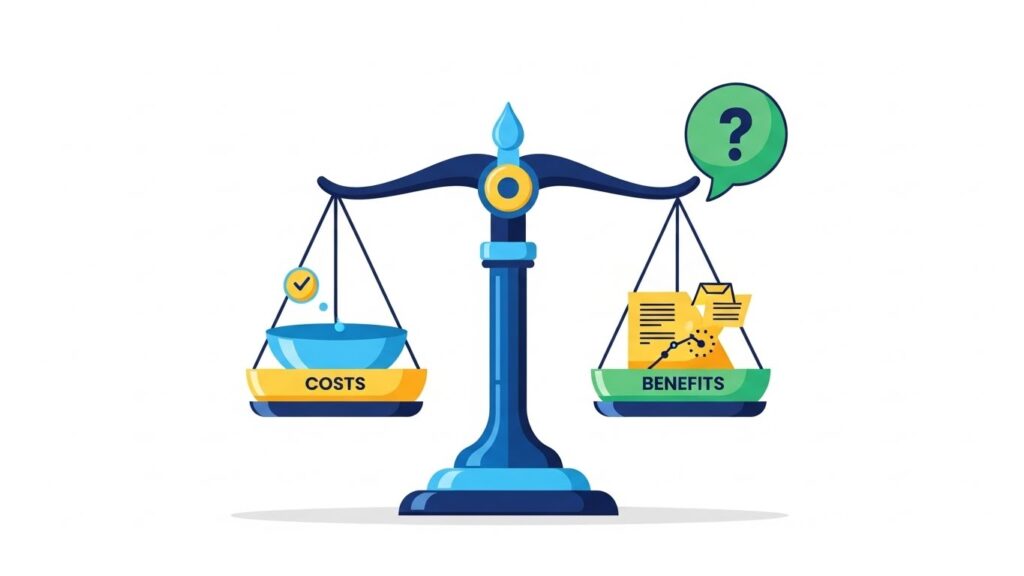
CHART: Where Does the Money Go?
Imagine a pie chart showing common claims.
- 30% – Digestive Issues (Stomach bugs)
- 20% – Skin Conditions (Allergies)
- 15% – Accidents (Broken bones, cuts)
- 15% – Cancer & Major Illness
- 10% – Ear Infections
- 10% – Eye Conditions
The Peace of Mind Factor
We cannot put a price on feelings. Anxiety over money is very real. When a pet is hurt, you are scared. You do not want to worry about your bank account.
Insurance removes that specific worry. You can tell the vet, “Do what is needed.” You focus on your pet’s recovery. You focus on hugs, not invoices.
This emotional benefit is huge. Is pet insurance worth it for peace of mind? For many, the answer is a loud yes. It lets you be a better pet parent.
Routine Care Add-Ons: A Trap?
Many companies offer “Wellness Plans.” These pay for annual exams and shots. They add $20 or $30 to your bill. I usually tell people to skip this.
Do the math on these plans. You often pay $300 a year for the plan. The benefits might only be worth $250. You are better off paying out of pocket.
Use insurance for the catastrophic stuff. Use your debit card for the routine stuff. That is the smartest financial move. Don’t try to insure the small stuff.
How to Compare Providers
There are so many companies now. Lemonade, Trupanion, Healthy Paws, Spot. How do you pick the right one? You have to use comparison tools.
Look at their history of rate hikes. Do they raise prices as pets age? Some companies increase prices every year. Others keep them more stable.
Check their customer service reviews. Do they fight you on claims? You want a company that pays easily. Look for apps that make filing easy. We live in a digital world.
The “Benefit Limit” Trap
Check the annual payout limit. Some plans cap payments at $5,000. If surgery costs $8,000, you pay the rest. This defeats the purpose of insurance.
Look for “unlimited” annual payouts. Or at least a very high limit. $10,000 should be the minimum. Veterinary medicine is getting very pricey.
You do not want to hit a cap. Imagine stopping treatment because you hit a limit. That is a nightmare scenario. Always check this number first.
Real Life Example: The “Socks” Incident
Let me tell you a quick story. My friend has a Labrador. He ate a pair of socks. Labs love to eat strange things.
He needed emergency surgery immediately. The bill was over $3,500. My friend had pet insurance. He paid his $500 deductible.
The insurance paid 80% of the rest. He saved thousands of dollars that day. Without insurance, he would be in debt. This happens more than you think.
Analyzing the Long-Term Value
Let’s look at a 10-year timeline. You might pay $6,000 in premiums. If you have one major surgery, you break even. If you have two, you come out ahead.
If your pet is lucky and healthy, you “lose.” You paid premiums and got nothing back. But is that really a loss? You paid for safety.
You hope you never use your car insurance. But you are glad you have it. Pet insurance is the exact same logic. You are buying risk protection.
TABLE: The 5-Year Cost Projection
Let’s look at a hypothetical scenario for a dog named Max.
| Year | Premium Paid | Vet Bills (No Ins) | Vet Bills (With Ins) | Did You Save? |
|---|---|---|---|---|
| Year 1 | $480 | $200 (Routine) | $200 (Routine) | No |
| Year 2 | $480 | $150 (Routine) | $150 (Routine) | No |
| Year 3 | $500 | $3,500 (Surgery) | $700 (Deductible + %) | YES |
| Year 4 | $520 | $300 (Infection) | $100 | No |
| Year 5 | $550 | $4,000 (Illness) | $800 | YES |
| TOTAL | $2,530 | $8,150 | $1,950 + Premiums | Big Savings |
External Resources for Research
You should do your own research too. Here are trusted sites to check.
- Check the American Veterinary Medical Association for care costs.
- Visit NAPHIA for industry stats and data.
These sites have great data. They are trusted sources. It helps to see the big picture.
The Impact of Inflation
We briefly mentioned inflation earlier. But let’s look deeper. Vet costs rise faster than normal inflation. New drugs are patented and expensive.
Private equity firms are buying vet clinics. This “corporatization” often raises prices. The local mom-and-pop vet is disappearing.
Insurance hedges against this inflation. Your premium might go up. But the coverage protects against exploding costs. It locks in your ability to pay.
Waiting Periods Explained
When you sign up, you wait. You cannot claim immediately. Usually, accidents cover starts in 2 days. Illness coverage takes 14 days.
Orthopedic issues often have a 6-month wait. This is for knees and hips. They do this to stop fraud. You cannot buy insurance after the leg breaks.
Be patient during this time. Keep your pet safe. Once the waiting period ends, you are safe. Just plan ahead for this gap.
The Claim Process: Is it Hard?
In the old days, it was paper. You mailed forms and waited weeks. Now, it is mostly apps. You snap a photo of the bill.
You answer a few simple questions. You hit submit on your phone. Many claims are paid in seconds. AI helps process them faster now.
Look for companies with “direct pay.” This means they pay the vet directly. You don’t have to wait for reimbursement. Trupanion is famous for this feature.
Is It Worth It for Cats?
We talk a lot about dogs. But what about our feline friends? Cats are generally cheaper to insure. They get into less trouble than dogs.
But cats hide their illnesses well. By the time you notice, it is bad. Kidney failure is common in cats. Cancer is also a big risk.
Since premiums are lower, it is often a great deal. For $20 a month, you get safety. Indoor cats still get sick. Don’t overlook coverage for your cat.
The Dental Dilemma
Dental disease is the #1 problem in pets. Does insurance cover teeth cleaning? Usually, no. That is considered routine maintenance.
But what about a broken tooth? Or gum disease requiring extraction? Some plans cover this, some do not.
You must check the dental clause. Dental surgery is very expensive. Anesthesia alone costs a lot. Make sure dental illness is included.
Discounts and Bundles
Can you get a discount? Yes, you often can. If you insure two pets, you get a break. Usually, it is 5% or 10% off.
Some employers offer pet insurance now. It is a work perk. Check with your HR department. You might get a group rate.
Veterans or military members often get deals. It never hurts to ask. Every little bit of savings helps.
When to Cancel Your Policy
Is there a time to cancel? Maybe when the pet is very old. If premiums become astronomical, it might not make sense.
If the premium is $300 a month, pause. Ask yourself if you would treat a severe illness. If the answer is no, cancel the plan.
At the end of life, we focus on comfort. We might not do major surgery. In that case, insurance is less useful.
The Psychology of Spending
Having insurance changes how you act. You are more likely to go to the vet. You catch problems earlier.
Without insurance, you might “wait and see.” You hope the limp goes away. This can make the injury worse.
Insurance encourages proactive care. You are not scared of the consultation fee. This leads to better health outcomes.
Customizing Your Plan
You are in control of the cost. Play with the sliders on the website. Adjust the deductible up and down.
See how it changes the monthly price. Find the number that fits your budget. Don’t buy more than you need.
But don’t buy a useless plan either. A $10,000 deductible is too high. You will never use it. Find the sweet spot.
Summary of the “Worth It” Question
So, let’s circle back. Is pet insurance worth it?
- Yes, if you cannot pay a $5,000 bill today.
- Yes, if you want peace of mind.
- Yes, if you have a high-risk breed.
- No, if you have a huge savings account.
- No, if your pet is already very old and sick.
It is a financial tool. It transfers risk from you to them. You pay a fee to sleep better.
Final Thoughts on Decision Making
Don’t rush this big decision. Get quotes from three companies. Read the sample policy document.
Look for the words “pre-existing conditions.” Understand how they define it. Ask about waiting periods.
Talk to your vet too. Ask which insurance they like dealing with. They know which companies pay out fast. Their advice is very valuable.
We treat our pets like family. They deserve the best care possible. Insurance is one way to ensure that. It protects them, and it protects you.
Make the choice that fits your life. There is no wrong answer. Just make an informed answer.
Frequently Asked Questions (FAQs)
1. Does pet insurance cover pre-existing conditions?
No, standard pet insurance plans do not cover pre-existing conditions.
2. Can I use any vet I want?
Yes, most plans allow you to visit any licensed veterinarian.
3. How much does pet insurance usually cost?
Dogs average $30-$50/month; cats average $15-$30/month.
4. Is there a waiting period for coverage?
Yes, usually 2 days for accidents and 14 days for illnesses.
5. Does insurance pay the vet directly?
Most reimburse you, but some can pay the vet directly.