
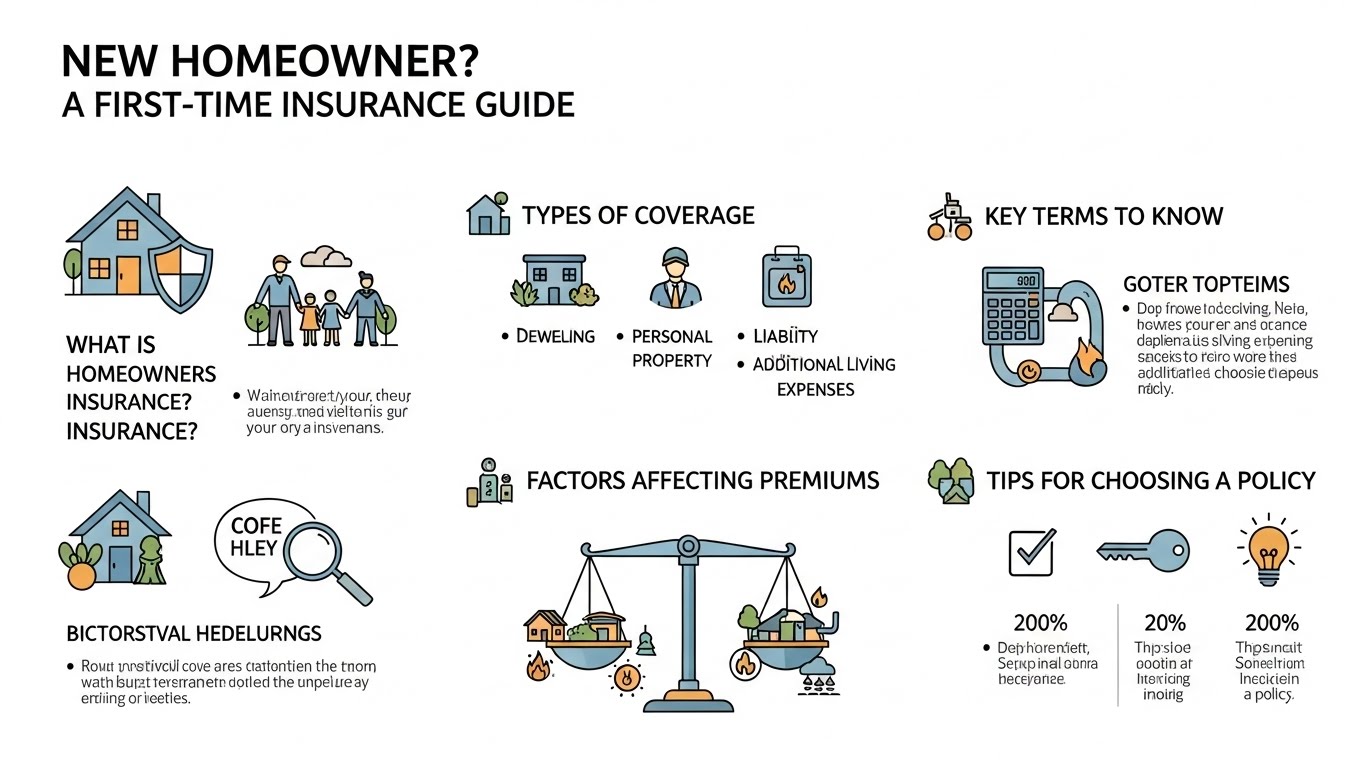
Congratulations on the big move. You did it. You bought a house. It is a huge achievement. But now comes the next step. You need protection. You need to secure your investment. This is where we come in.
Are you a New Homeowner? A First-Time Insurance Guide is essential. We know it feels confusing. There are so many terms. There are deductibles and premiums. It can feel overwhelming. Do not worry. We will break it down. We will make it simple.
You have worked hard for this. You saved your money. You signed the papers. Now, let’s protect it. This guide is for you. We will walk through everything. You will be an expert soon. Let’s get started.
Why You Need Home Insurance Now
You might ask a question. Is insurance really necessary? The short answer is yes. It is absolutely vital.
First, your lender requires it. They have a stake too. They want their money safe. If the house burns down, they lose. So, they force you to buy it. It is part of the deal.
Second, it protects your wallet. Repairs are very expensive. Imagine a tree falls. It hits your roof. That costs thousands. Do you have that cash? Most of us do not. Insurance steps in here. It pays the big bills.
Third, it covers your stuff. Think about your clothes. Think about your furniture. Electronics are pricey too. If a thief strikes, you lose them. Insurance helps replace them. It is peace of mind.
“Insurance is not just a policy; it is the sleep-well-at-night tax you pay for your future.”
We want you to feel safe. Your home is your sanctuary. It should not be a burden. With the right plan, it won’t be.
Understanding the Basics of Coverage
Let’s look at the policy. It has different parts. We call these “coverages.” You need to know them. They work together.
1. Dwelling Coverage
This is the main part. It covers the house structure. This includes the walls. It includes the roof. It covers built-in appliances too. If fire destroys the kitchen, this pays.
You must insure for full value. Do not use market value. Use the replacement cost. Market value includes land. You do not insure the land. You only insure the building.
2. Other Structures
Do you have a fence? Do you have a shed? Maybe a detached garage? This section covers those. It is usually 10% of dwelling coverage.
Check your specific needs. Is your barn expensive? You might need more coverage. Talk to your agent. They can adjust limits.
3. Personal Property
This covers your things. It is for your “stuff.” Furniture, clothes, and TVs fall here. Even food in the fridge counts.
There are two types here.
- Actual Cash Value: Pays what it is worth now.
- Replacement Cost: Pays to buy a new one.
We recommend Replacement Cost. It costs a bit more. But it is worth it. Old TV is worth nothing. New TV costs money. You want the new one.
4. Liability Protection
This is very important. Someone might get hurt. They might slip on ice. Your dog might bite a neighbor. They could sue you.
Liability pays for lawyers. It pays for court costs. It pays the settlement. Without this, you could lose everything. Standard limits are low. You should increase them. Aim for $300,000 minimum.
GRID: Quick Coverage Breakdown
| Coverage Type | What It Protects | Recommended Action |
|---|---|---|
| Dwelling | The house structure, roof, walls. | Insure for 100% replacement cost. |
| Other Structures | Fences, sheds, detached garages. | Check if 10% limit is enough. |
| Personal Property | Clothes, electronics, furniture. | Choose “Replacement Cost” always. |
| Liability | Lawsuits, dog bites, injuries. | Raise limits to at least $300k. |
| ALE (Living Expenses) | Hotel bills if home is unlivable. | Ensure it covers 12-24 months. |
What Is NOT Covered? (The Exclusions)
You need to know this. Policies have gaps. We call them exclusions. Do not get caught off guard.
Floods are not covered. Standard policies exclude floods. Rain coming through the roof? Covered. Water rising from the ground? Not covered. You need a separate policy.
Earthquakes are excluded too. If the ground shakes, you pay. You must buy extra coverage. This is huge in California.
Maintenance is on you. Is your roof rotting? Did termites eat the wood? That is your fault. Insurance is for accidents. It is not for neglect. You must maintain your home.
Mold is tricky. Sudden burst pipe? Usually covered. Slow leak over years? Usually denied. Fix leaks immediately.
Factors That Change Your Price
Why is my rate high? Why is his rate low? Many factors play a role. We will look at them.
Your Credit Score
Companies look at credit. It predicts risk. People with good credit file fewer claims. That is what data says. So, they get better rates. Improve your score today. It saves you money.
The Location
Where is the house? Is it near the coast? Hurricanes raise rates. Is it in a city? Crime raises rates. Is it near a fire hydrant? That lowers rates. Distance to fire station matters.
The Age of the Home
Old homes are risky. Wiring might be bad. Pipes might be old. New homes are safer. They get discounts. If you buy old, update it. Update the electric panel. It helps lower costs.
Your Claims History
Have you filed claims before? Insurers share data. They use a CLUE report. If you claim often, you pay more. Save claims for big disasters. Do not claim small things.
CHART: What Makes Up Your Premium?
(Visual Representation of Cost Factors)
- 30% – Location & Weather Risks
- 25% – Replacement Cost Value
- 20% – Credit Score & History
- 15% – Age & Condition of Home
- 10% – Deductibles & Discounts
How to Lower Your Costs
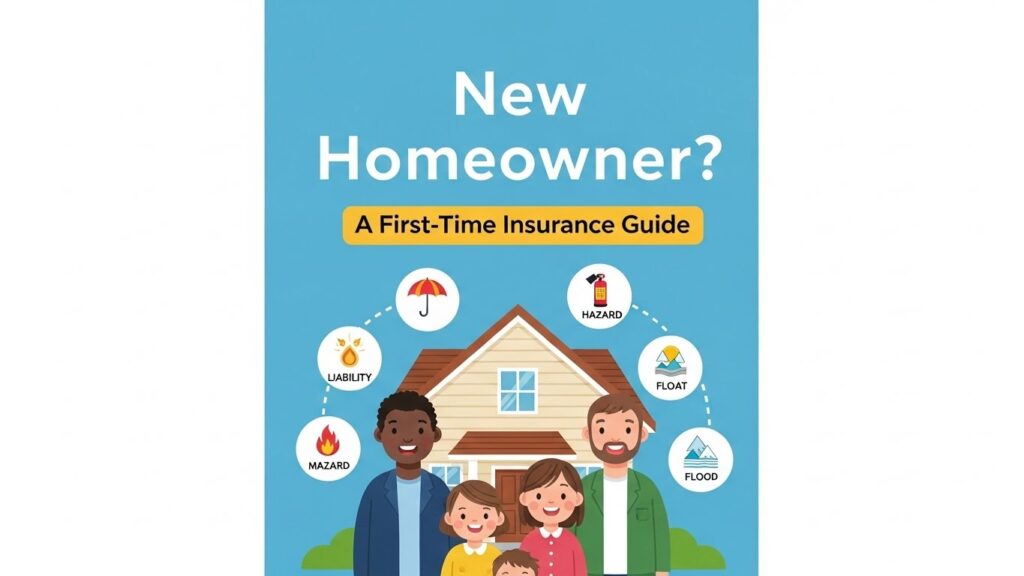
We all want to save. Money is tight. You can lower premiums. Here are some tricks.
Bundle your policies. Do you have a car? Insure it with your home. Companies love this. They give big discounts. You can save 20%.
Raise your deductible. The deductible is what you pay. If you pay $500, rates are high. If you pay $1,000, rates drop. Try raising it to $2,500. Just keep that cash saved.
Improve home security. Install a burglar alarm. Put in smoke detectors. Buy a deadbolt lock. Smart home devices help too. Insurers reward safety.
Shop around. Do not take the first offer. Call three companies. Compare the quotes. Prices vary wildly. You have to hunt.
For more details on industry standards, you can visit the Insurance Information Institute. They have great data.
The Claims Process: A Step-by-Step Guide
Disaster struck. We hope it never happens. But if it does, act fast. You need a plan.
- Safety First. Get everyone out. Call 911 if needed.
- Stop Further Damage. Put a tarp on the roof. Turn off the water. If you do not, they might deny it.
- Call Your Agent. Tell them immediately. Ask what to do.
- Document Everything. Take pictures. Take videos. Do not throw things away. Keep the damaged items.
- Meet the Adjuster. They will inspect the damage. Be there with them. Walk them through it.
“Documentation is your best friend; take photos of everything before and after the damage occurs.”
Specific Scenarios You Might Face
Let’s look at real life. These things happen daily. We want you prepared.
The Dog Bite
You have a friendly dog. He gets scared. He bites the mailman. The mailman sues. Your liability covers this. Check your breed. Some breeds are excluded. Pitbulls often cost more.
The Kitchen Fire
You were cooking oil. It caught fire. The cabinets are ruined. Smoke is everywhere. Your dwelling coverage fixes cabinets. Personal property replaces the stove. ALE pays for a hotel.
The Stolen Bike
Your bike was in the shed. Someone stole it. Even if it was at the park, it is covered. Personal property coverage travels with you. It works worldwide usually.
The Tree Fall
A storm knocks a tree. It hits your garage. The garage is crushed. “Other Structures” coverage pays. If it hits the house, “Dwelling” pays. If it falls on the grass? Usually, no coverage for removal.
Feature Grid: Smart Home Discounts
We love technology. It makes life easier. It also saves money. Look at these devices.
- Video Doorbell: Deters thieves. Saves 5%.
- Smart Water Leak Sensor: Stops floods. Saves 3-7%.
- Connected Smoke Alarm: Alerts phone. Saves 5%.
- Smart Locks: Tracks entry. Saves small amounts.
Mistakes New Homeowners Make
We see these often. Please avoid them.
Under-insuring the home.
You want to save money. You lower the coverage limit. Then a fire happens. You cannot rebuild. You lose the house. Always insure for full replacement.
Ignoring the inventory.
Do you know what you own? most people do not. Make a list today. Walk around the house. Video every room. Open every drawer. Save it to the cloud.
Focusing only on price.
Cheap insurance is great. Until you need it. Some cheap plans are bad. They have poor service. They have low limits. Look for value, not just price.
You can check solvency of companies at the National Association of Insurance Commissioners. This keeps you safe.
Understanding Policy Types
Not all policies are equal. There are codes. You will see “HO-3” or “HO-5”. What do they mean?
HO-3 (Special Form):
This is the standard. It covers the home for everything. Except what is excluded. It covers stuff for named perils. Named perils are specific lists. Like fire, theft, wind.
HO-5 (Comprehensive Form):
This is the best. It covers the home for everything. It covers stuff for everything. Unless specifically excluded. It costs more. But it protects better.
HO-6 (Condo Insurance):
Bought a condo? Use this. It covers walls-in. The HOA covers the outside. You cover the inside.
Seasonal Maintenance Tips
Insurance is for sudden events. You must do the work. Prevent the damage.
Spring:
Clean the gutters. Water damages roofs. Check the sump pump. Make sure it runs.
Summer:
Trim the trees. Keep branches away. Check the AC unit. Hoses can leak.
Fall:
Clean the chimney. Soot causes fires. Drain outdoor faucets. Pipes can burst.
Winter:
Keep the house warm. Prevent frozen pipes. Keep sidewalks clear. Prevents slip and fall.
Exploring Additional Coverages (Endorsements)
Sometimes you need more. You can add “riders”. These are extras.
Sewer Backup:
This is nasty. Water comes up the drain. Standard policies deny this. It costs $10,000 to fix. The rider costs $50 a year. Buy it.
Scheduled Personal Property:
Do you have a diamond ring? Maybe expensive art? Standard limits are low. Maybe $1,500 total. Schedule the item. It covers the full value. It often covers “mysterious disappearance.”
Ordinance or Law:
Building codes change. Your house burns down. The city says “Update the wiring.” That costs extra. Standard dwelling coverage won’t pay. This endorsement pays the difference.
Why We Wrote This Guide
We care about you. We want you secure. Being a homeowner is a journey. It has ups and downs.
We have seen bad situations. People losing everything. They thought they had coverage. They did not. We do not want that for you.
You have the knowledge now. You know the terms. You know the risks. You are ready.
Final Thoughts for You
You have read a lot. Let’s recap quickly.
Buy enough coverage. Do not skimp.
Shop around for rates. Compare three quotes.
Bundle your policies. Save that cash.
Maintain your home. Prevent the claims.
Read the fine print. Know your exclusions.
Your home is your future. It is your wealth. Treat it with respect. Protect it with care.
This New Homeowner? A First-Time Insurance Guide is your tool. Use it well. Bookmark this page. Share it with friends. We are here to help.
If you have questions, ask. Call an agent. Do not guess. Get the facts. Secure your dream home today. You deserve it.
Frequently Asked Questions (FAQs)
1. Is home insurance required by law?
No, it is not law. However, mortgage lenders require it. You cannot get a loan without it.
2. How much insurance do I need?
You need enough to rebuild. Do not use market value. Use the replacement cost of the building.
3. Does insurance cover flood damage?
No, standard policies do not. You must buy a separate flood insurance policy for protection.
4. What is a deductible?
It is what you pay first. The insurance pays the rest. Higher deductibles lower your monthly premium.
5. Does my credit score affect my rate?
Yes, in most states. A higher credit score usually means a lower insurance premium.